15+ Creative Interior Wall Opening Ideas to Transform Your Home
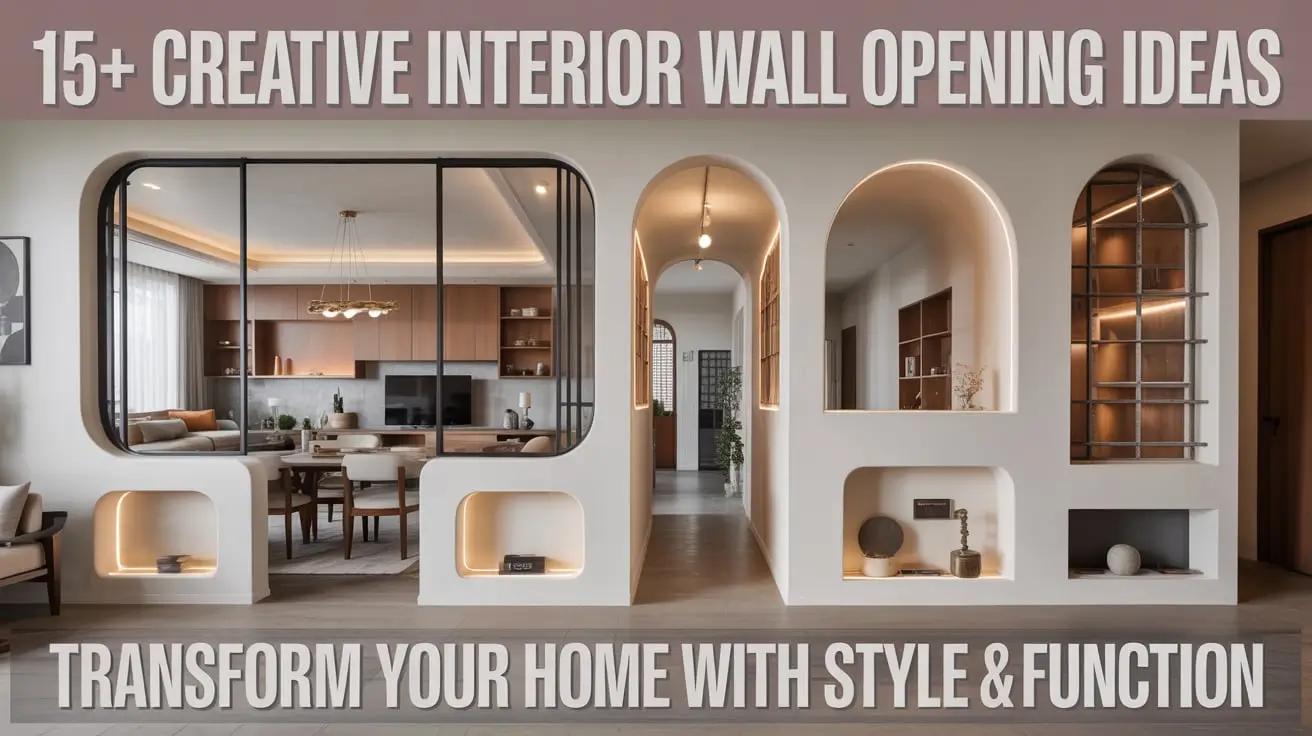
Walls don’t just separate rooms—they can also shape how we live inside them. A well-designed wall opening has the power to bring in natural light, connect spaces, improve airflow, and add unique character. For over two decades, I’ve seen homeowners use interior wall openings not just as architectural details but as statements that change how a space feels. Whether you’re renovating, building new, or just looking for inspiration, these creative ideas will guide you toward designing walls that feel anything but ordinary.
1. Open Archways for Timeless Elegance
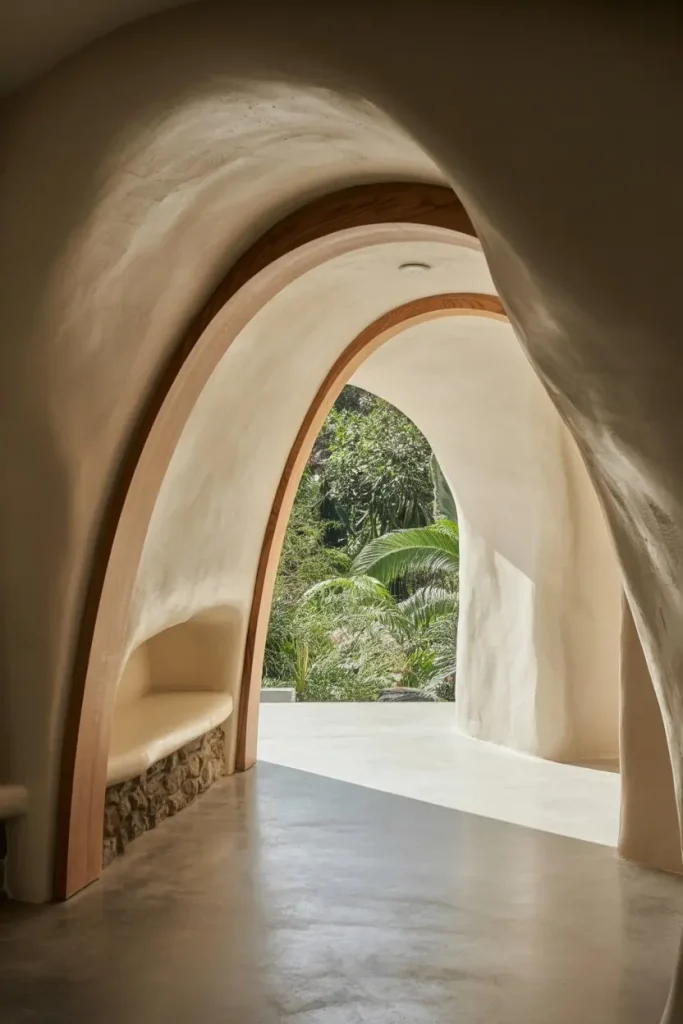
Few design choices are as charming as an archway. By softening hard edges and replacing a solid doorway with a graceful curve, an archway creates a sense of openness while still defining one space from another. Unlike a standard rectangular opening, arches add a sculptural quality that feels both classic and modern. They can be wide for dramatic impact or narrow to create a cozy passage. Plaster finishes, wood trims, or even exposed stonework can enhance their beauty, making them a focal point in any interior.
2. Pass-Through Windows Between Rooms
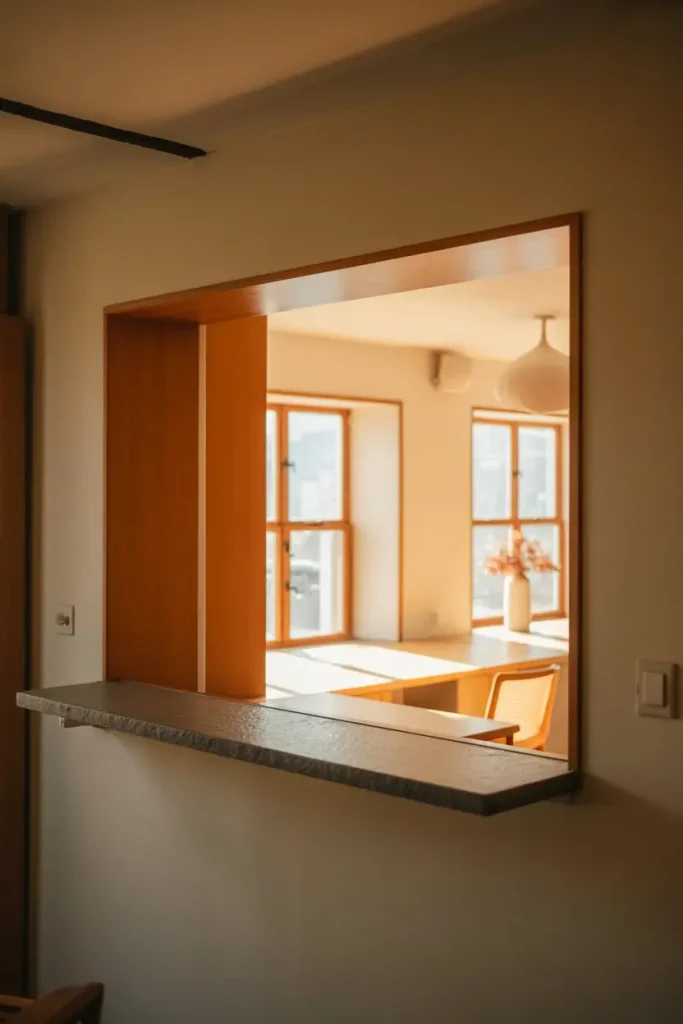
A pass-through opening in an interior wall is practical and stylish. These small wall cutouts are often placed between a kitchen and dining area, making it easy to serve food or drinks while keeping the rooms visually connected. When framed with wood or finished with stone, they can become a charming design element. Add a ledge and the space doubles as a breakfast bar or casual dining nook. It’s a smart way to open up spaces without removing entire walls.
3. Interior Windows for Shared Light
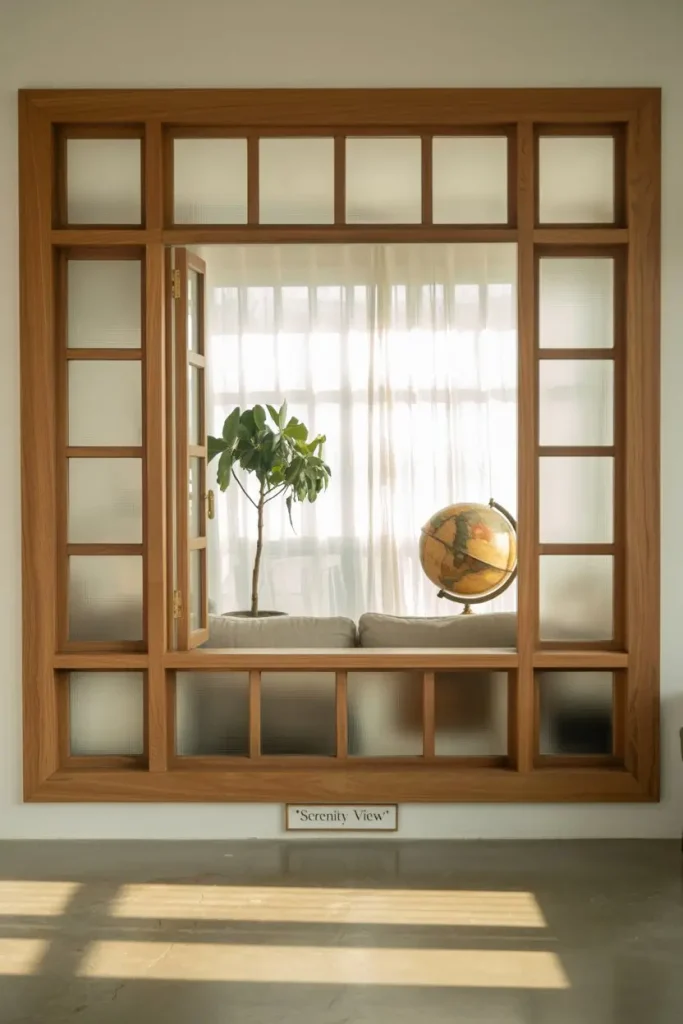
Not every room has access to exterior windows, but interior wall openings can solve that. Adding glass panels or framed windows between rooms allows natural light to flow deeper into your home. This design is especially effective in apartments or houses with limited windows. Frosted or textured glass gives privacy while still sharing light, while clear panes create a modern, open-concept feel. Interior windows make small or enclosed spaces feel brighter, larger, and more inviting.
4. Double-Sided Shelving Walls
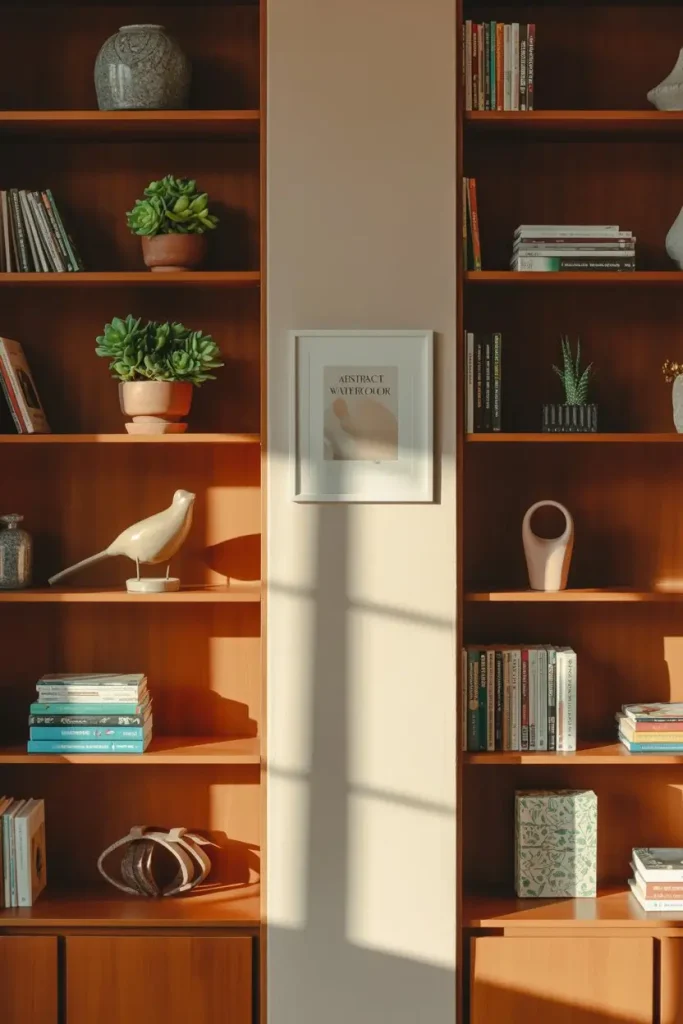
Instead of a plain solid wall, consider turning the opening into a shelving unit accessible from both sides. This creates storage and display opportunities while keeping rooms connected. Imagine bookshelves that open to both a living room and a hallway, or decorative shelving between a dining area and kitchen. Styling shelves with plants, books, or art turns a simple opening into a living, breathing feature of the home. It’s functional and highly customizable.
5. Sliding Glass Wall Panels
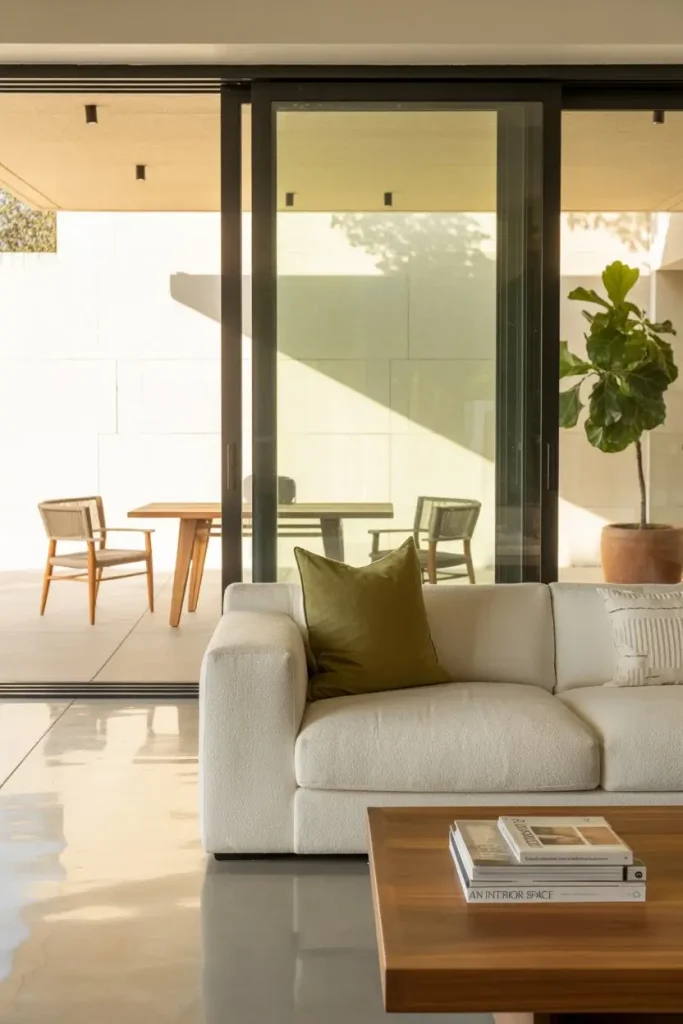
For a flexible wall opening, sliding glass panels are an elegant solution. They can be pulled open to merge two rooms or closed to provide separation when needed. Unlike permanent openings, this approach offers adaptability. Glass panels framed in metal give a modern loft-like look, while wood frames create warmth. This idea works especially well between living rooms and patios, kitchens and dining rooms, or offices and family spaces. It brings versatility and style to any home.
6. Built-In Niches and Cutouts
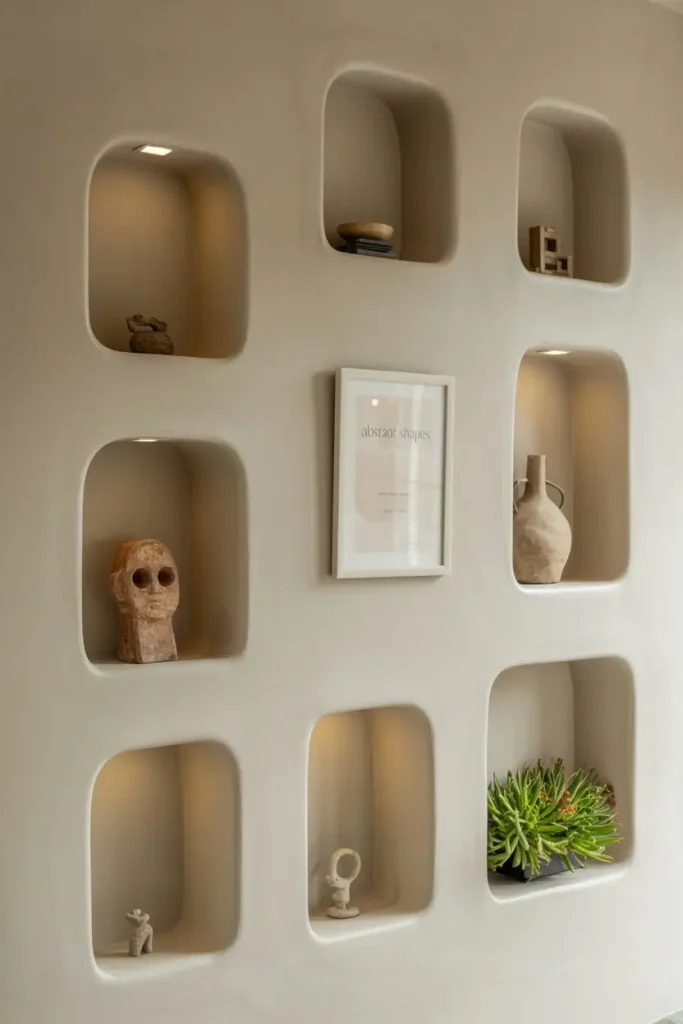
Small wall cutouts, also called niches, offer subtle ways to break up solid walls. These openings can be purely decorative, used to display sculptures, pottery, or plants, or they can provide practical uses like recessed shelves. Backlighting a niche adds depth and creates a soft glow, turning a blank wall into a striking feature. With the right placement, niches can frame artwork, highlight architectural details, or act as functional mini-storage.
7. Half Walls for Open Flow
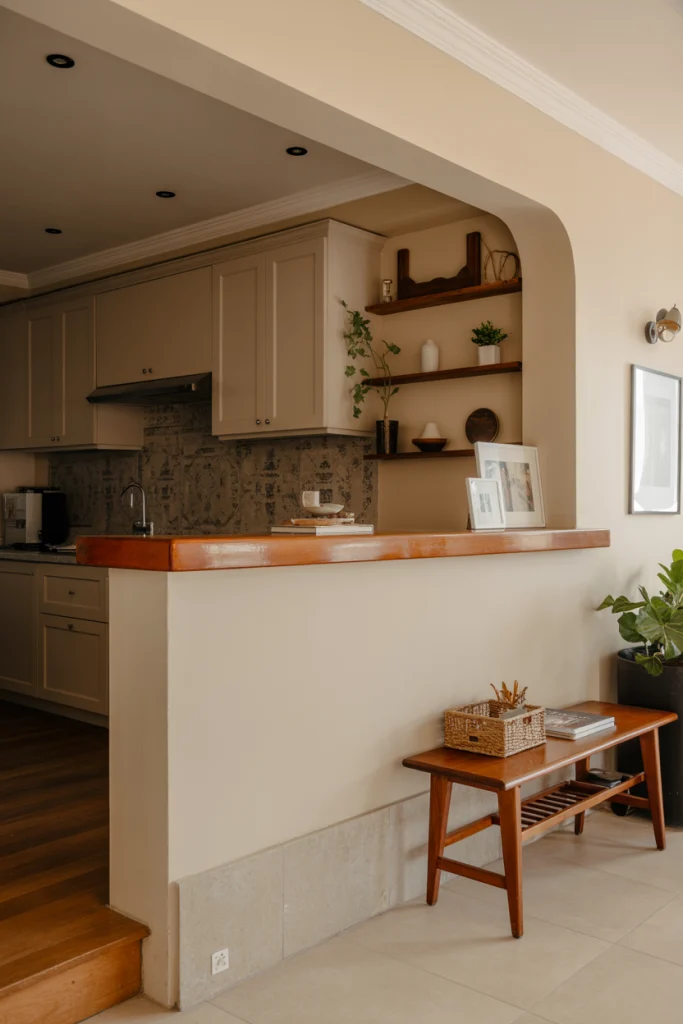
A half wall, also known as a pony wall, gives the benefits of openness without completely removing the boundary between rooms. For example, a half wall between a kitchen and living room can allow conversation and light to flow while still separating the two functions. Topping the wall with a wood cap, stone ledge, or decorative railing adds personality. This option is perfect for those who want both definition and connection in their floor plan.
8. Interior Wall Cutouts with Decorative Grilles
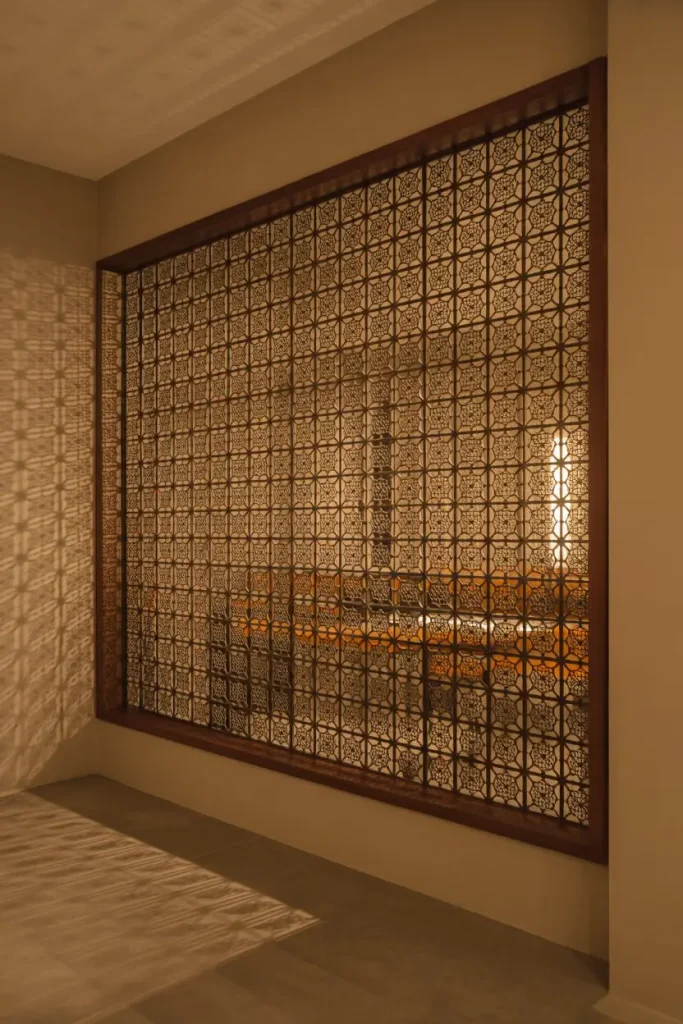
Adding decorative grilles to wall openings blends artistry with function. Intricate patterns in wood, metal, or laser-cut materials can transform a simple opening into a work of art. These grilles provide airflow and partial visibility while maintaining privacy. They’re especially striking in transitional spaces like hallways, staircases, or dining rooms. By choosing patterns that reflect your design style—whether geometric, floral, or abstract—you can create a custom look that sets your home apart.
9. Corner Openings for Seamless Transitions
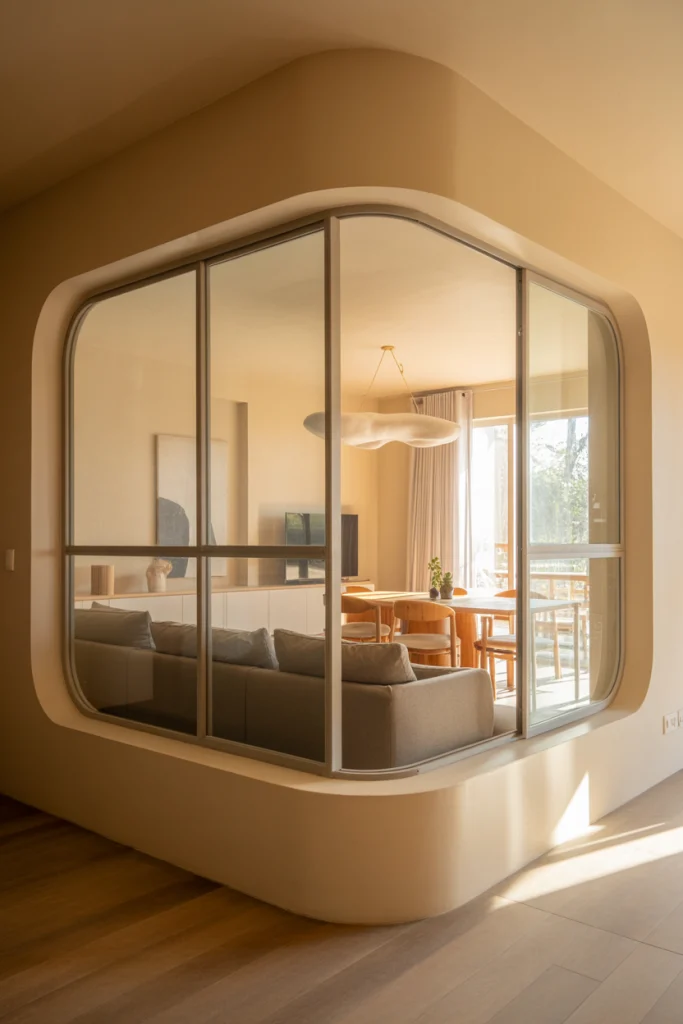
Placing an opening at the corner of a room instead of in the middle of a wall creates unexpected flow. A corner opening allows two rooms to spill into each other, giving a wider perspective and making the home feel more connected. This design works beautifully in open-concept homes, especially when paired with glass or curved edges. It’s a modern twist on the idea of a doorway, emphasizing space and movement.
10. Interior French Windows or Doors Without Glass
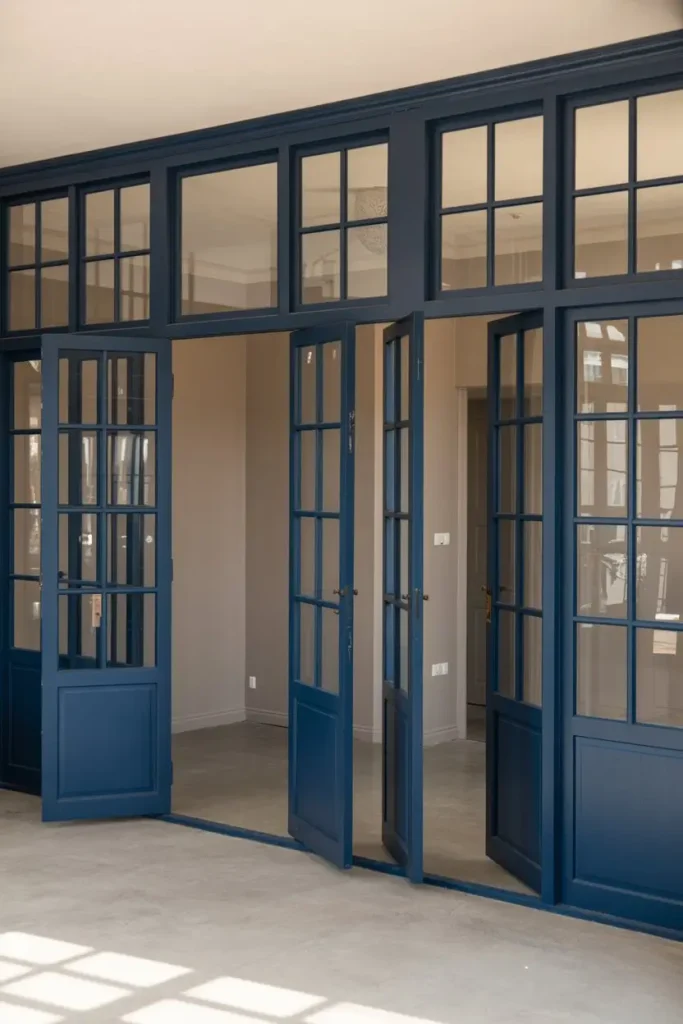
French-style openings without the glass can give walls a charming architectural rhythm. Instead of solid drywall, a grid-like frame becomes the dividing element. This maintains openness while giving the impression of structured separation. Painted in bold colors, the frames themselves become decorative. This style brings character to minimalist spaces and works especially well in industrial, farmhouse, or European-inspired interiors.
11. Ceiling-Height Openings
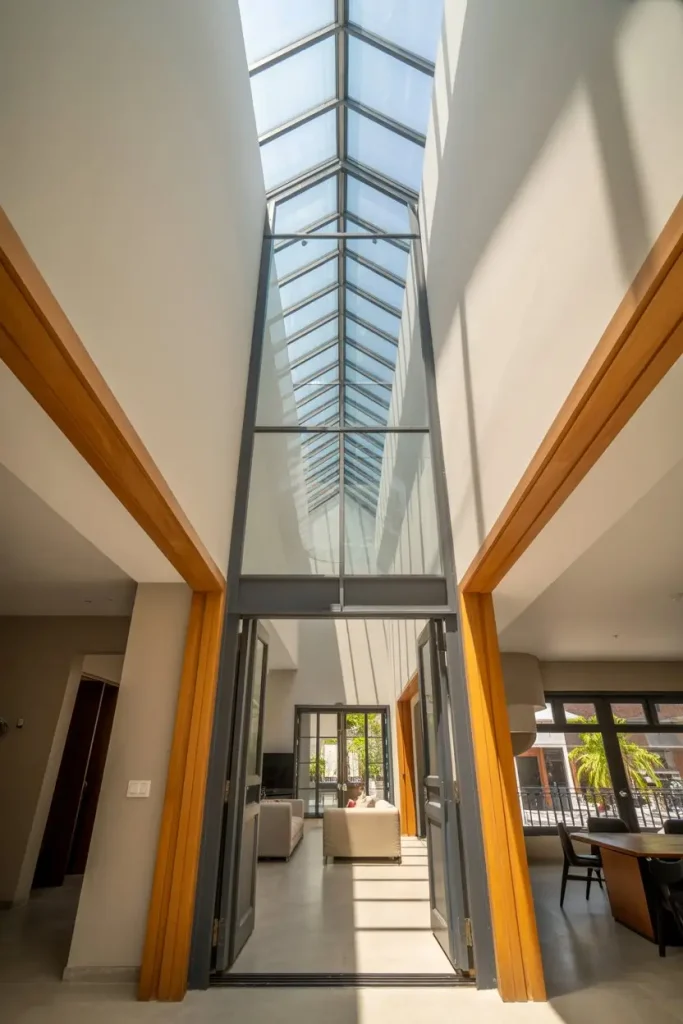
For dramatic effect, extend wall openings all the way to the ceiling. This design emphasizes verticality and draws the eye upward, making ceilings appear taller. A full-height opening between rooms can flood the space with light and air, making it feel grander. Whether left plain or framed in wood, steel, or plaster, tall openings give interiors a luxurious, gallery-like quality. They’re especially effective in modern homes where clean lines dominate.
12. Curved Wall Cutouts for Modern Flow
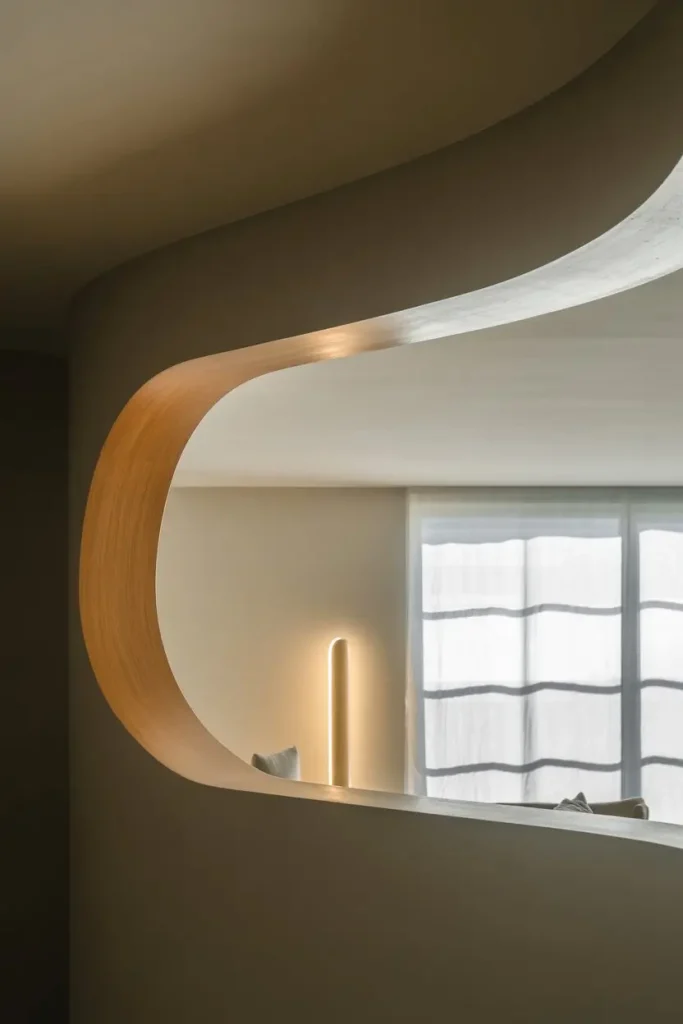
Straight-edged openings are common, but curved cutouts bring a softer, more organic flow to interiors. These shapes can be circular, oval, or even asymmetrical, offering a playful alternative to traditional squares and rectangles. Curved openings work beautifully in contemporary spaces, helping break up the monotony of flat walls. They’re visually interesting, and when paired with lighting or contrasting paint, they become statement-making features.
13. Glass Block Wall Inserts
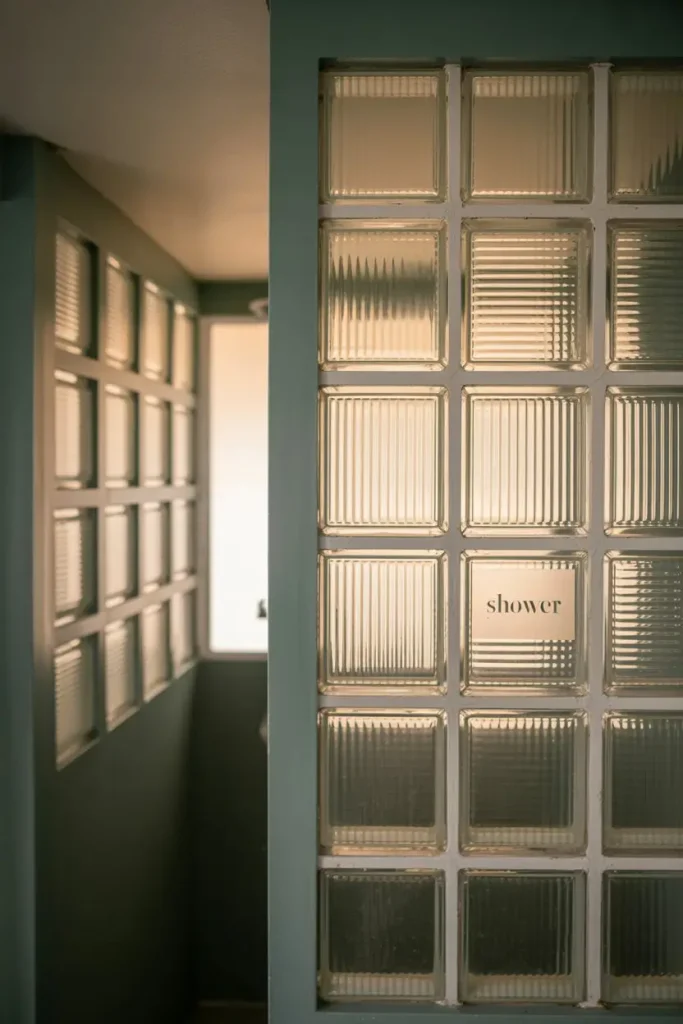
Glass blocks may remind some of retro designs, but they’re making a strong comeback. Used as partial wall inserts, they provide privacy while still transmitting light. They can be arranged in straight rows for a modern look or in creative patterns for more texture. Glass block openings are especially useful in bathrooms, laundry areas, and stairwells where privacy is key but brightness is still desired. They add character and a touch of vintage charm.
14. Lattice Openings for Airflow
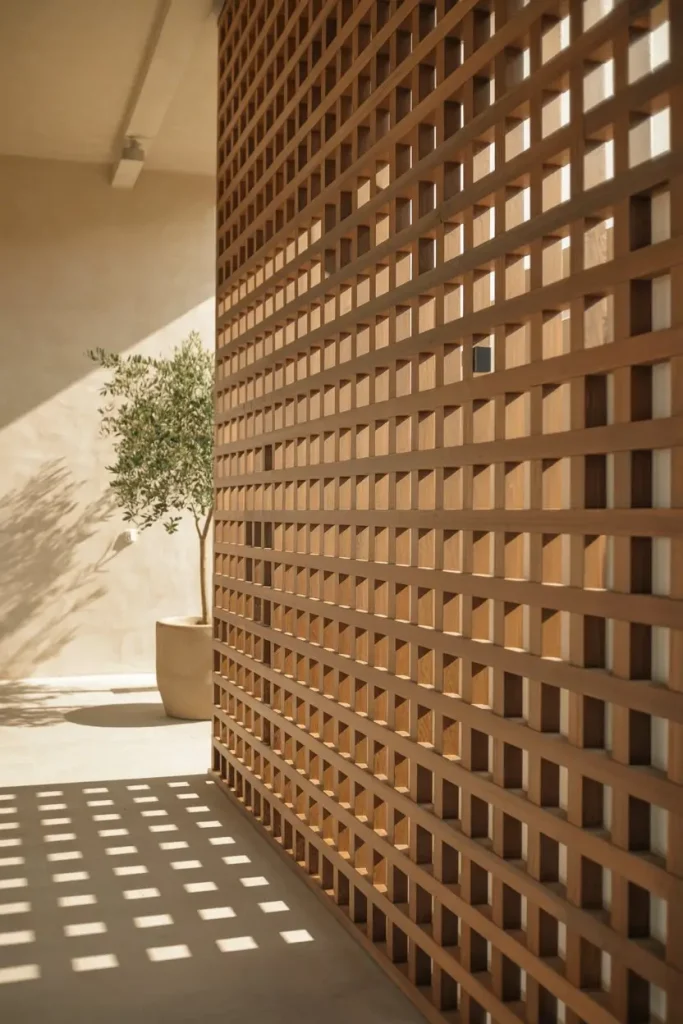
For homes in warmer climates, lattice-style wall openings help with natural ventilation while providing visual interest. Crafted from wood, metal, or concrete, these designs let air move freely between spaces while creating beautiful patterns of light and shadow. Lattice openings are often used in tropical or Mediterranean homes, but they can be adapted to modern interiors for a unique feature wall. They bring texture, style, and practicality in one gesture.
15. Floating Partition Openings
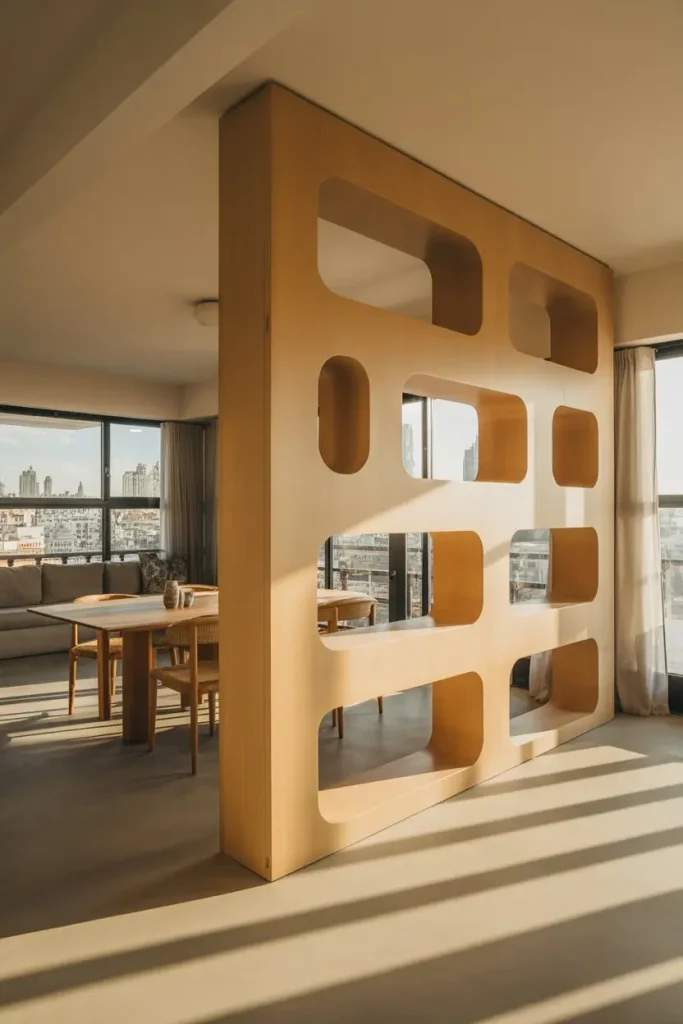
Instead of cutting into a wall, you can create a partial floating partition with openings built into it. Think of it as a freestanding wall section that doesn’t fully close off a space. Openings in the partition can vary in size and shape, making the divider more sculptural than structural. This approach is perfect for large living rooms or lofts where some separation is needed without losing openness. It’s both functional and artistic.
16. Staggered or Multi-Level Openings
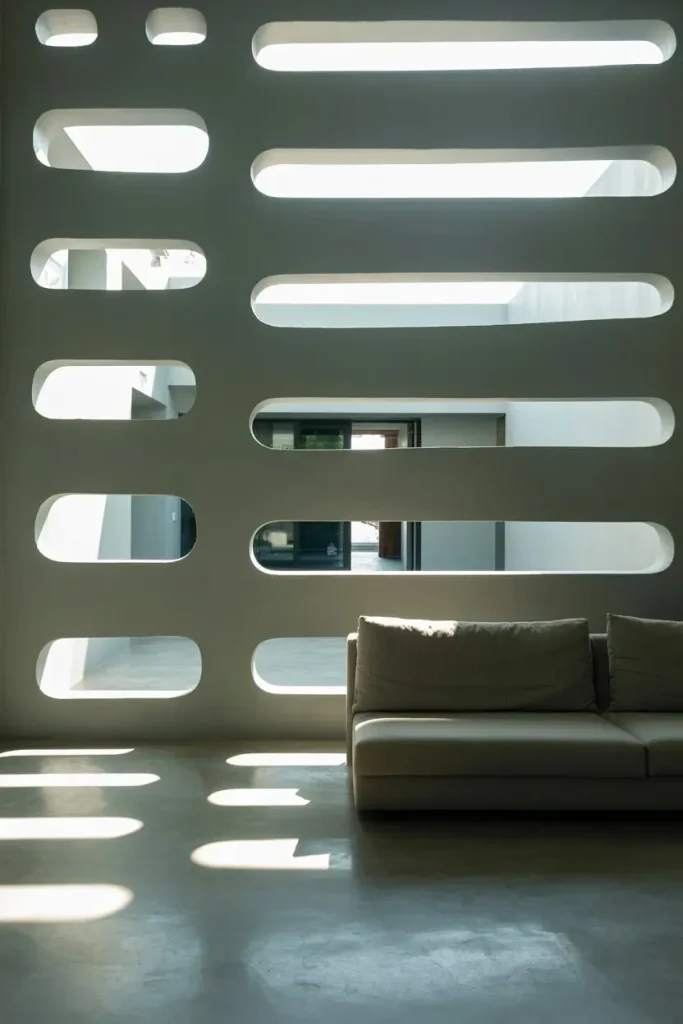
Why settle for one standard cutout when you can create several? Staggered or multi-level openings in a wall can turn a flat surface into a dynamic architectural feature. They act as frames for views from different heights—children see through lower openings, while adults enjoy higher sightlines. This playful design is often used in modern homes and adds personality to otherwise plain walls. It balances practicality with creativity, making walls more engaging.